
AI, Digital Trust, and Tempo
A working theory of the job
I help technical leaders ship systems that customers will still trust after the demo.
Digital trust
How to preserve and build trust when models invent facts, third parties change terms overnight, or regulators demand proof of who approved an autonomous action. Leaders who treat trust as an architectural property—not a policy document—reduce the cost of failure before it arrives.
Cybersecurity
Identity, data protection, and human risk now define the perimeter more than any network boundary. Hybrid work and cloud have erased the old perimeter, yet blast radius from a single compromised identity or device remains hard to contain. Longer dwell times and higher recovery costs follow when access cannot be granted safely under continuous verification.
Agentic AI & Accountability
Agents will act. The unresolved problem is that most organizations still lack clear ownership when an agent makes a high-impact decision or leaks data. Effective leaders define policy, telemetry, and escalation paths in advance, then retain the authority to override fluent but incorrect outputs before they reach production systems or customers.
Technical management
First- and second-line leaders face a dual pressure: accelerate AI delivery while preventing the team itself from becoming the bottleneck. The work is structured 30-60-90s, rigorous deal and architecture clinics, and deliberate talent development so that technical quality and customer outcomes scale without constant executive intervention.
Responsible AI & governance
Models and agents introduce new liability surfaces that traditional controls were not designed to address. The challenge is moving from high-level principles to operational evaluation, data-lineage tracking, and accountable approval workflows that satisfy both regulators and internal risk teams. Without this, AI remains confined to low-stakes experiments.
Use Case & Trade-offs
Architecture and AI only create value when they survive integration, procurement, and production use. The persistent gap is the distance between a successful proof of concept and a system the next team can operate without nightly intervention. Leaders close that gap by measuring sustained customer impact rather than demo success.
My two special projects
A book for the people who inherited a team and a ticket queue.
A band that started as a notebook in the 1990s and became an album recorded across time zones.
The book — conducting technical teams
- For managers who were promoted for being the best engineers.
- Cadence, judgment, and how to lead when the work is invisible.
- Field notes from around the World.

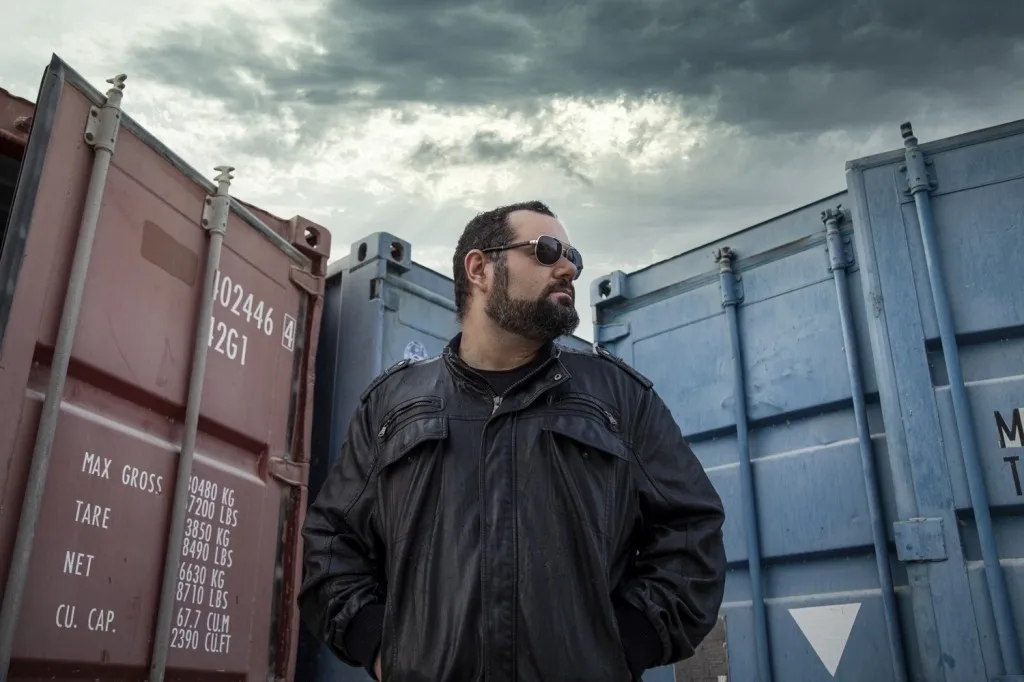
Lethal Fright
- Hard rock written and recorded in Dubai, made with amazing guest musicians who have played with Maiden, Dream Theater, and Guns N’ Roses.
- Album: Past Through the Future (The Desert).
- Latest: Low Frequencies (feat. Blaze Bayley).
“The job of a technical manager is not to play every instrument. It is to hear when the band is rushing and to bring it back to the pocket.”
Join my mailing list
Stay in the loop with what is going on.